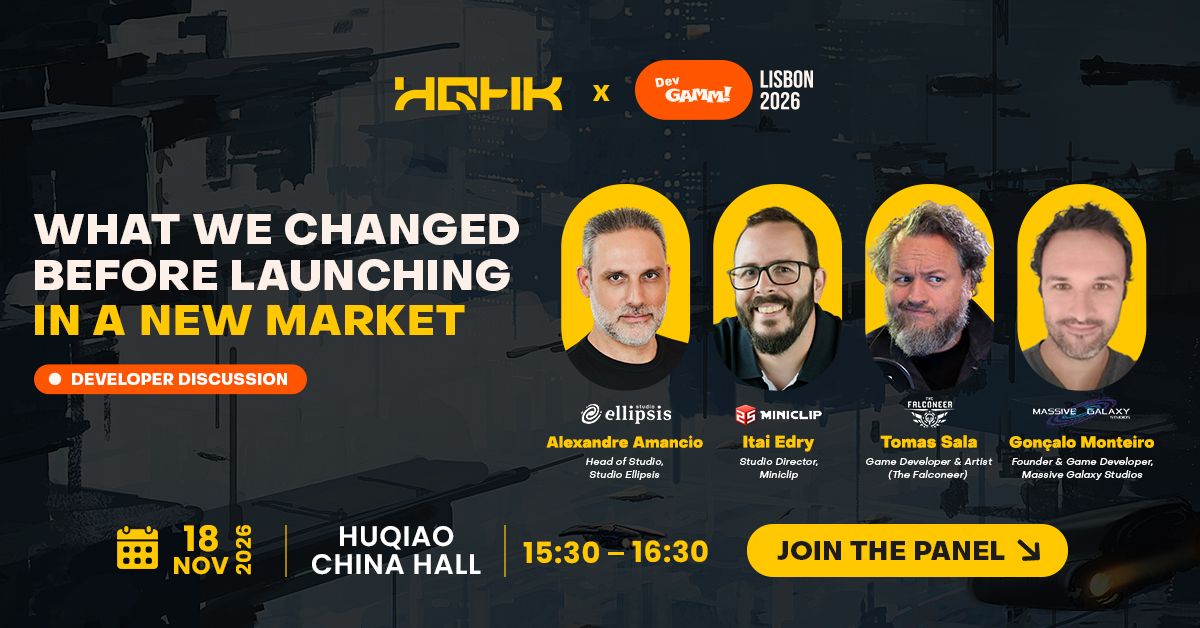
What Would You Change Before Launching Your Game in a New Market? | Developer Panel at DevGAMM Lisbon 2026
Would you change your game's mechanics, rewrite its dialogue, or rethink parts of its design to reach a new audience? And how do you know when you've changed too much?
Imagine you're watching a playtest for a new market. Three players get stuck at the same point, even though the instructions are clearly translated. You have time for one fix before launch. Do you rewrite the instructions, change the tutorial, or rethink the mechanic?
Bringing a game to a new market goes beyond translation. Different player expectations and cultural references can challenge your design decisions — and sometimes, changing too much means losing what made your game unique.
So what do you change, and what do you protect?
That’s the kind of decision we’ll discuss at What We Changed Before Launching in a New Market, an interactive developer panel at Huqiao China Hall, DevGAMM Lisbon 2026.
Join us at Huqiao China Hall on Wednesday, November 18, from 15:30 to 16:30. We'll discuss how developers prepare games for new audiences, respond to player expectations, and decide what to change without compromising their creative vision.
And this isn't just a conversation to listen to. It's an opportunity to exchange experiences, challenge assumptions, and bring your own development questions to the table.
Who’s joining the conversation?
What makes this panel interesting is the different perspectives coming together — from live mobile games and independent development to creative direction and multi-platform releases.

Four Developers. Different Experiences. One Conversation.
Itai Edry, Studio Director at Miniclip, and Tomas Sala, the independent developer behind The Falconeer, join as panellists.
Itai leads Miniclip's M360 studio group, bringing experience in mobile game development, external partnerships, and live game performance. Tomas has taken a different path, building on the world of The Falconeer through Bulwark and ShipShaper, with an emphasis on creative independence and long-term player loyalty.
Alexandre Amancio and Gonçalo Monteiro will co-moderate.
Alexandre brings extensive experience in creative direction, world-building, and franchise development, including his work on Assassin's Creed and Unknown 9. Gonçalo offers the perspective of an independent studio developing and releasing games across PC and consoles, including For The Warp, LakeSide, and ARC SEED.
Different studio sizes, different platforms, different creative approaches. But how do those differences shape the decisions developers make when bringing their games to new audiences?
Meet the participants in the Huqiao China Hall programme.
What Actually Needs to Change?
Entering a new market can reveal challenges that weren't obvious during development. Sometimes, what looks like a simple localisation task turns into a much bigger design decision.
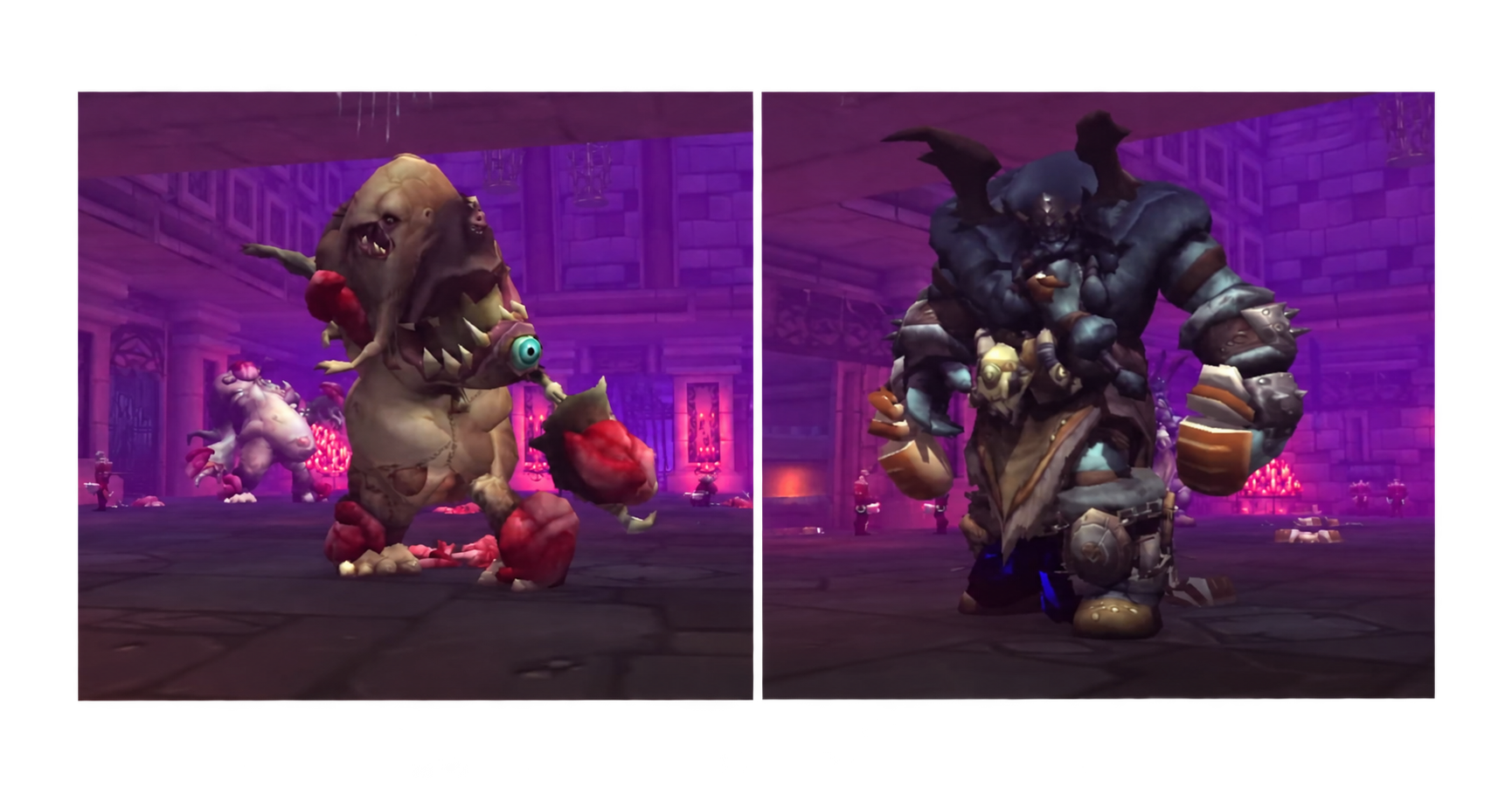
How far should localisation go?
A joke can be perfectly translated and still fall flat. A visual reference might not communicate what you intended. Would you rewrite the dialogue, adapt the reference, or keep it because it's part of your game's identity?
Translation addresses the language. Cultural adaptation raises a bigger question: does the experience still communicate what the developer intended?
What happens when players expect something different?
Players might understand the objective but struggle with a mechanic, misinterpret visual cues, or respond differently to the storytelling.
Is it a localisation issue, a design problem, or simply a difference in player expectations? And how much should you adapt without losing your original creative vision?
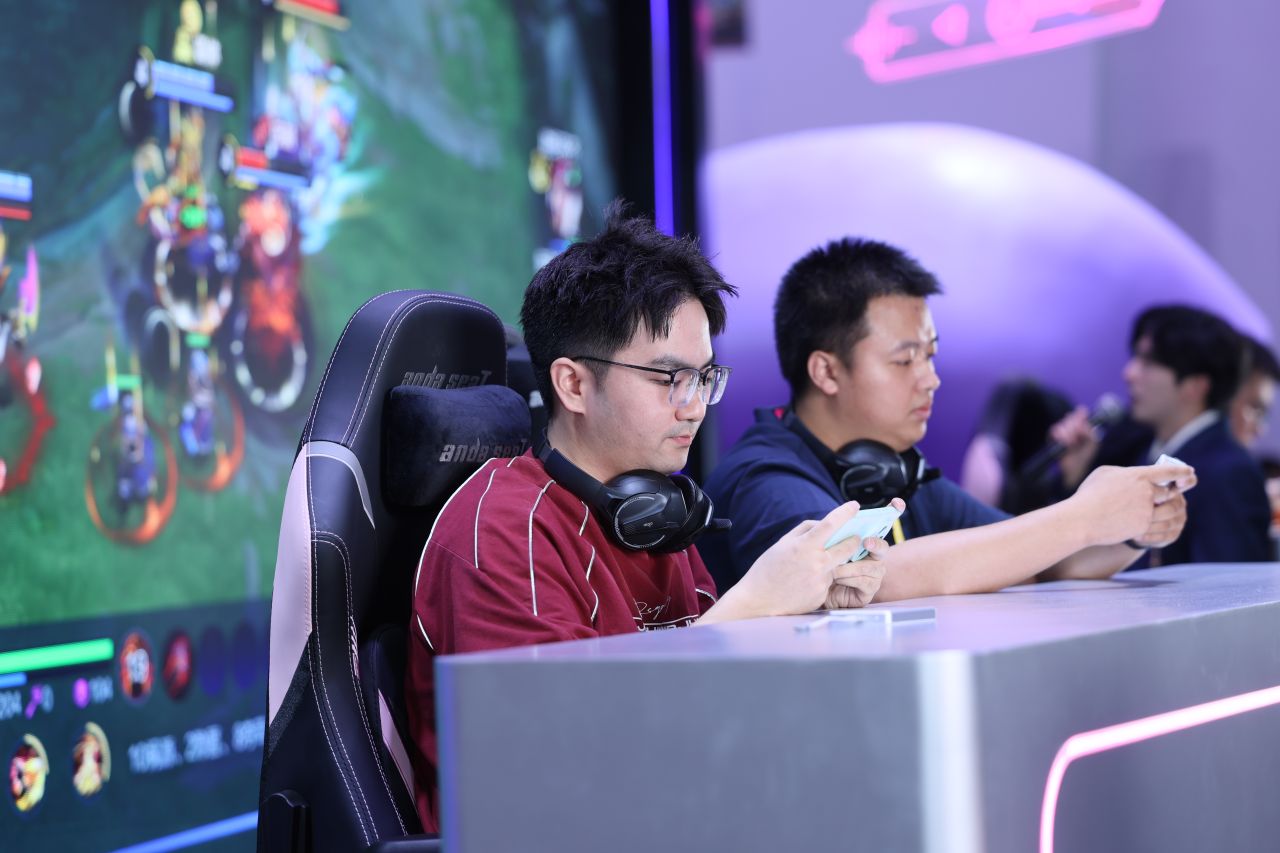
When is player feedback worth changing the roadmap?
Not every piece of feedback requires a design change. But when the same issue appears across playtests or community discussions, ignoring it might also come at a cost.
Would you address it before launch, prioritise it for a later update, or gather more evidence before committing development resources?
These questions are particularly relevant when entering markets such as China, where language and cultural context may challenge assumptions made during development.
But there's no universal approach. What works for a live mobile game might not make sense for a narrative-driven indie title.

What would you do differently?
Which change seemed small until the team tried to implement it? What would these developers test earlier? And where do they draw the line between adapting for a new audience and protecting the original game?
Bring your own version of that question to the panel. Because your experience is part of the conversation, too.
Bring Your Questions. Join the Developer Panel.
This isn't a traditional presentation where the audience simply listens. It's an informal, moderated discussion, and everyone is encouraged to contribute.
Whether you're preparing your first international launch, have already learned something unexpected from a new market, or are facing a difficult development decision, bring your questions and experiences.
You might find that someone else in the room has faced a similar challenge — and approached it completely differently.
Join us: What We Changed Before Launching in a New Market
Wednesday, November 18, 2026 | 15:30–16:30
Huqiao China Hall | DevGAMM Lisbon 2026
Four industry perspectives, real development challenges, and an open conversation about reaching new audiences without losing what makes your game yours.
Come with a question. Leave with a new perspective.
Explore the FULL HUQIAO CHINA HALL.

Other insights
What Would You Change Before Launching Your Game in a New Market? | Developer Panel at DevGAMM Lisbon 2026

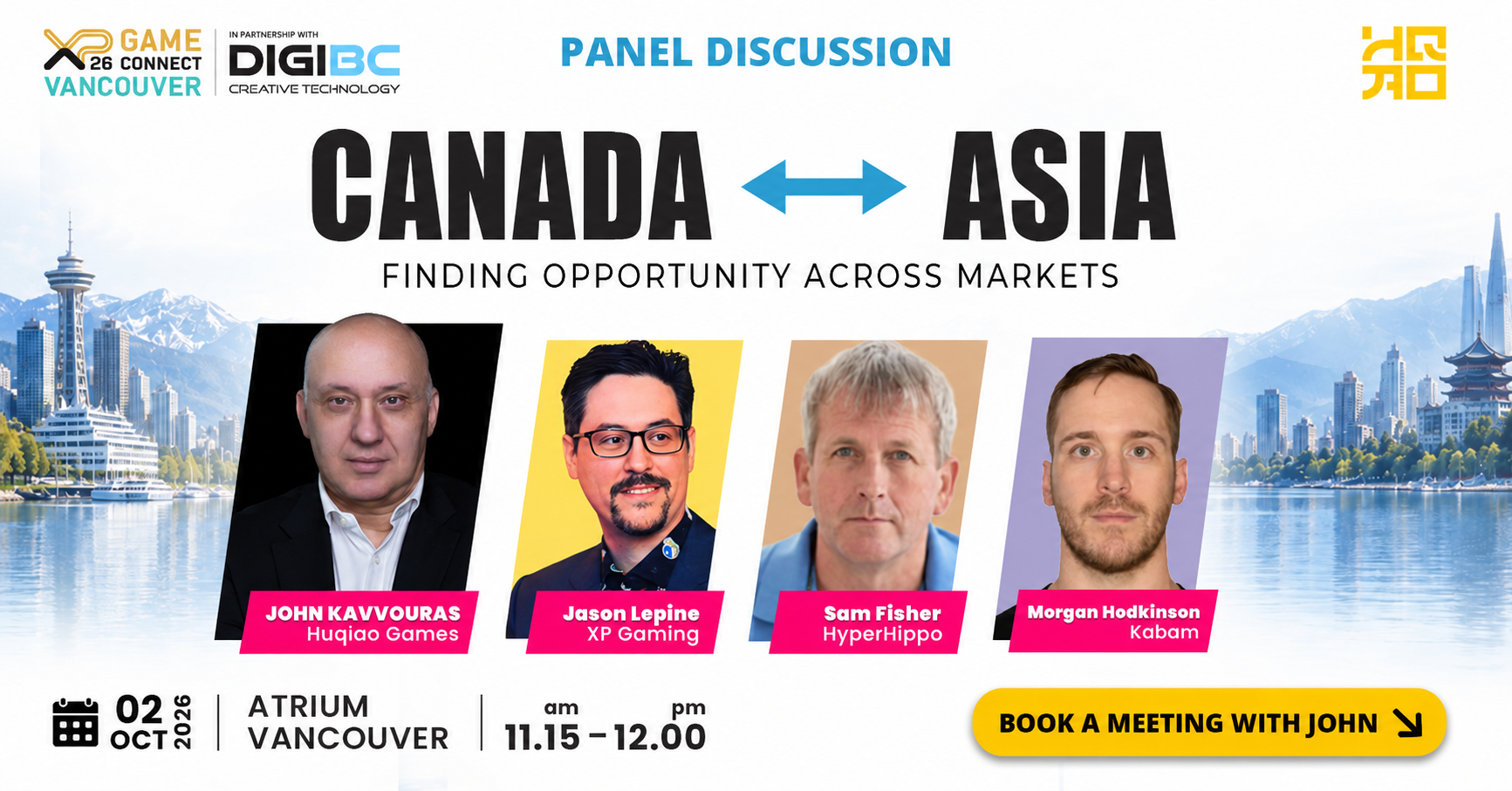
CANADA ↔ ASIA: Finding Opportunity Across Markets at XP Game Connect Vancouver 2026
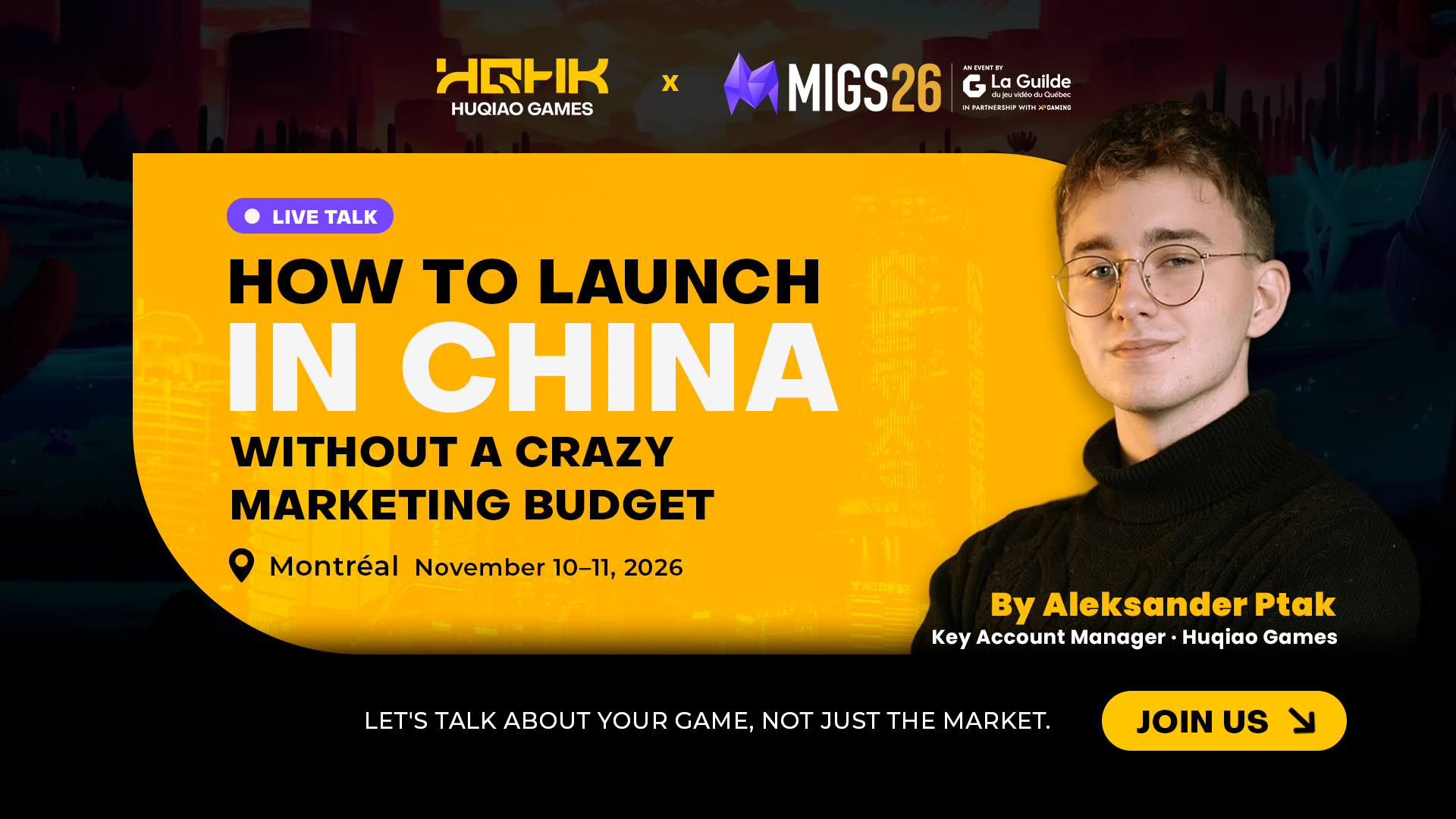
Huqiao Games at MIGS 2026: How to Launch in China Without a Crazy Marketing Budget
Strategy tailored to your game
Data-driven approach. Personalized roadmap.